
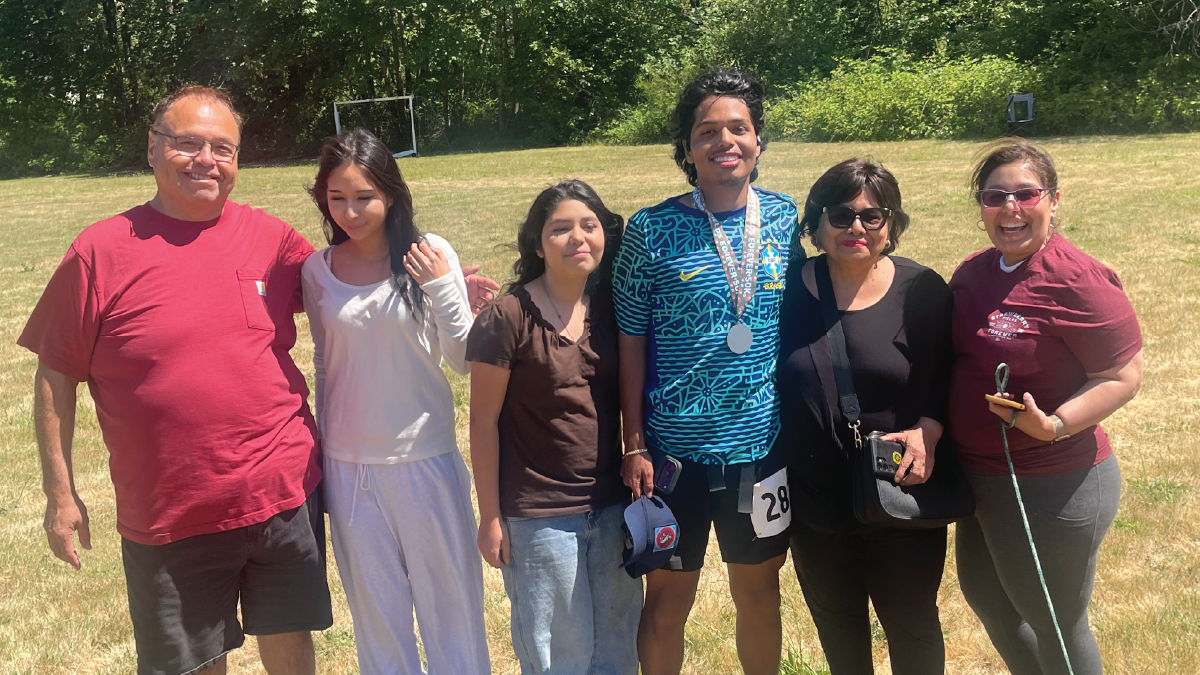
At an age when many young adults are just beginning to discover new hobbies, 19-year-old John Daniels Maestas has already checked an ultramarathon off his bucket list.
On June 22, Maestas completed his first 50-kilometer (31.1-mile) trail race at Strawberry Island, near Portland, Oregon. He crossed the finish line in 6 hours, 28 minutes, overcoming not only the physical demands of the course but also a painful hamstring tendon injury that occurred with more than a third of the race still ahead of him.
Rather than ending his race, the injury became a test of determination.
"I couldn't walk," Maestas said. "I was thinking about crawling because I wanted to finish this race."
The injury happened about 19 miles into the course, leaving him with roughly 13 miles remaining. For a moment, he questioned whether he would be able to continue.
"It was probably the worst pain I've ever been in," he said. "I just kept thinking, 'How am I going to do this?'"
Instead of stopping, Maestas slowed his pace and continued forward, alternating between walking, limping and jogging when he could. He paused occasionally to rest before pressing on again.
After more than six hours on the trail, the finish line finally came into view.
"It was amazing," he said. "Seeing my family there made it even better. It was such an accomplishing feeling."
Although this was his first ultramarathon, Maestas' running journey began years earlier through soccer. He played competitively and relied on running to stay in shape and improve his conditioning. As he spent more time running, he also discovered it helped him lose weight and improve his overall fitness.
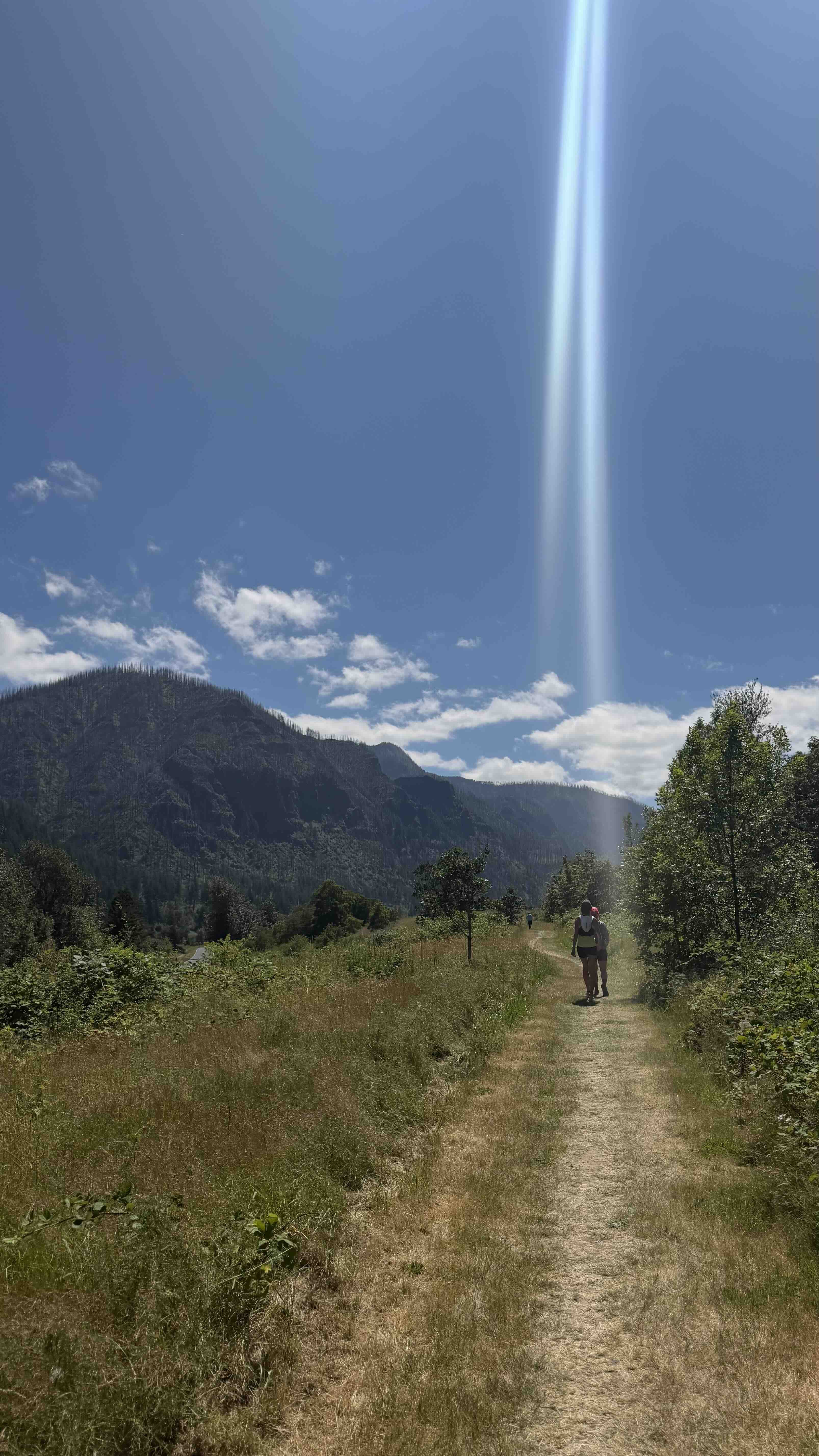
Unlike many distance runners, however, Maestas never enjoyed road running. "I don't really like road running," he said. "I like being in nature." Trail running offered something different. "Once you get into a rhythm, it's almost like meditation," he said. "You're just out there running through the forest."
Preparing for a 50K typically takes six to seven months, but Maestas compressed his training into about three months. During the race, he carried his own hydration and nutrition using a running belt equipped with water bottles and quick sources of energy, including candy, allowing him to keep moving.
The experience reinforced the importance of both physical and mental endurance. While the race tested his body, finishing required an even greater mental commitment after the injury. Rather than focusing on the miles still ahead, he concentrated on continuing one step at a time until he reached the finish.
Fortunately, the hamstring injury healed quickly. After about a week of recovery, he resumed training.
Maestas is already setting his sights on an even bigger challenge. In September, he plans to compete in an half Ironman, which includes approximately a 1.2-mile swim, a 56-mile bicycle ride and a 13.1-mile run completed consecutively. His goal is to finish the event before turning 20.
Although completing a 50K is a milestone many runners spend years working toward, Maestas views it as just another step in a longer journey. For him, every race offers another opportunity to test his limits, embrace the outdoors and discover how far determination can carry him.

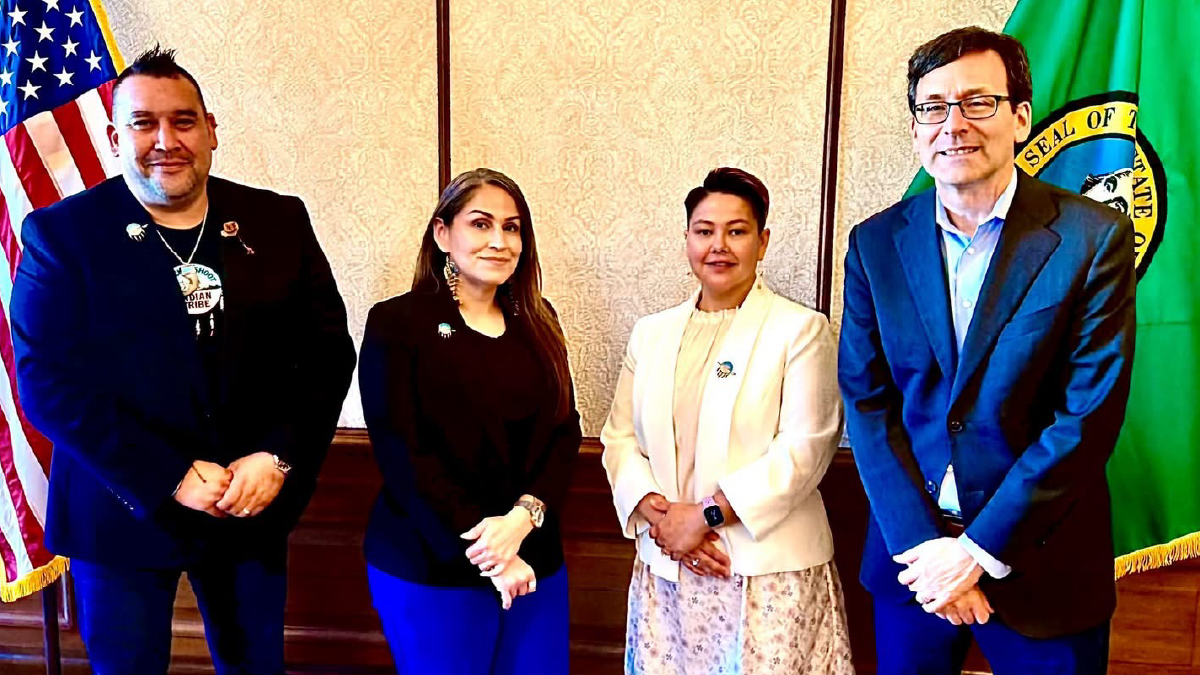
Muckleshoot Tribal Council leaders met with Washington Gov. Bob Ferguson at the state Capitol this week for direct government-to-government discussions focused on priorities important to the Muckleshoot Indian Tribe and its members.

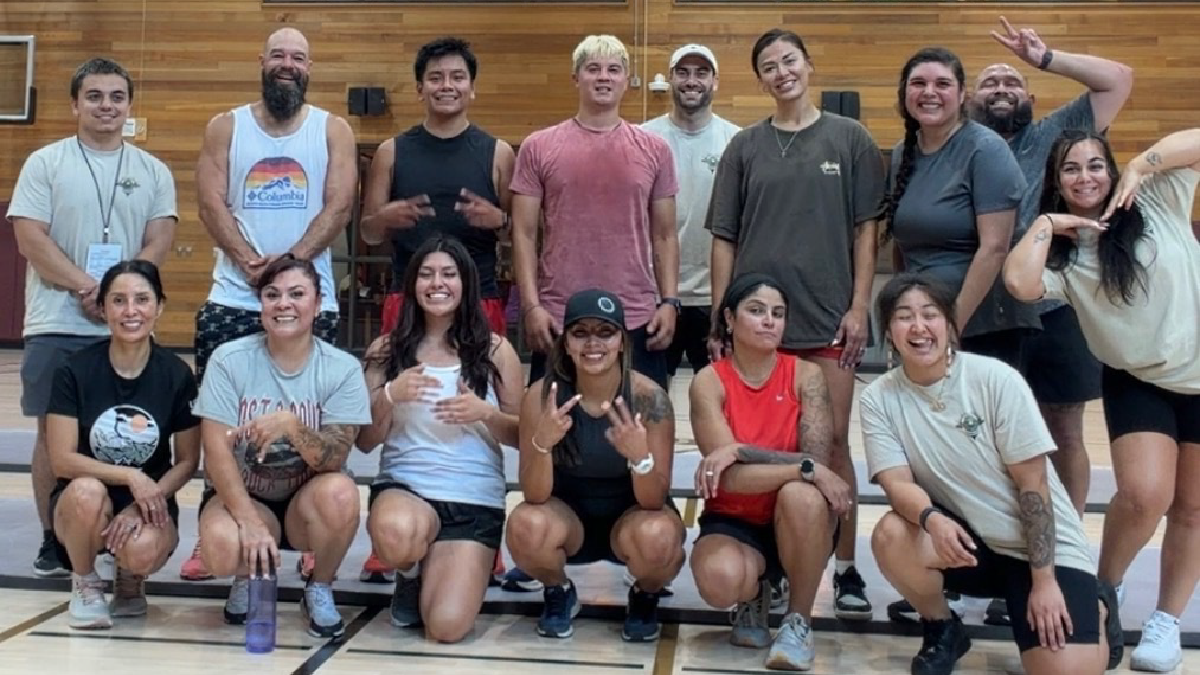
Wellness-Fitness professionals and Tribal leaders gathered August 4–5 at the Muckleshoot Indian Tribe for Native Fitness, a two-day event focused on health, movement, culture and community wellness.
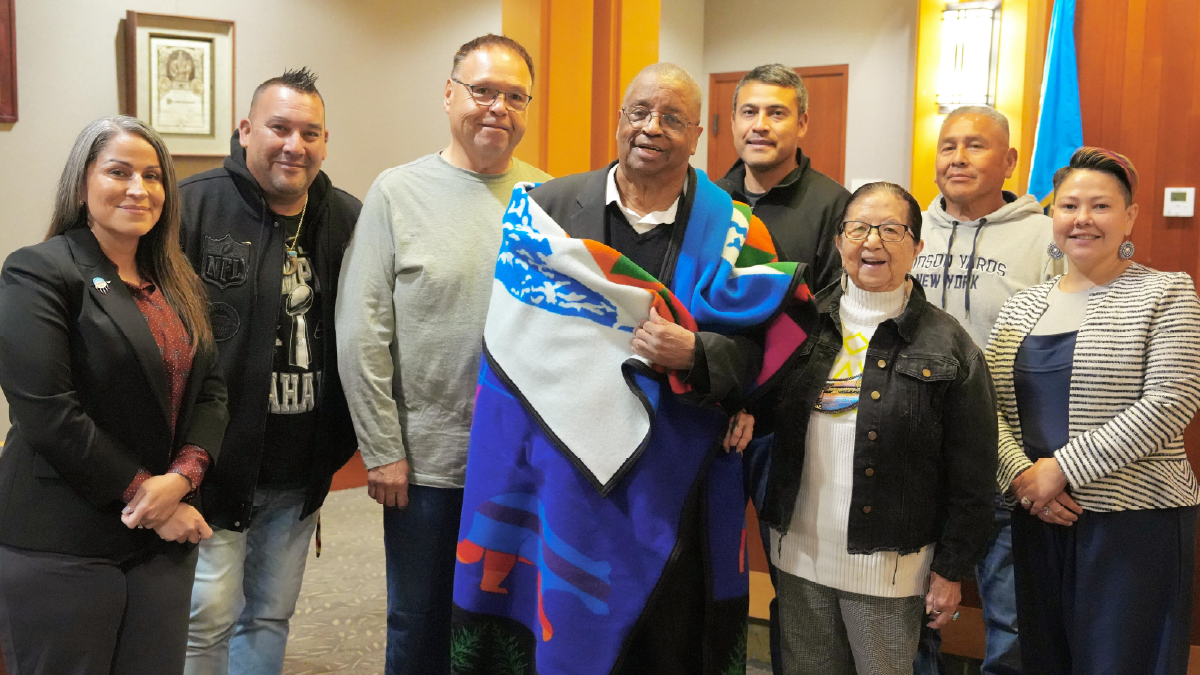
More than five decades after Larry Gossett came to the Muckleshoot Reservation looking for Native students to recruit to the University of Washington, the longtime civil rights leader returned to the Muckleshoot Tribal Council Chambers.
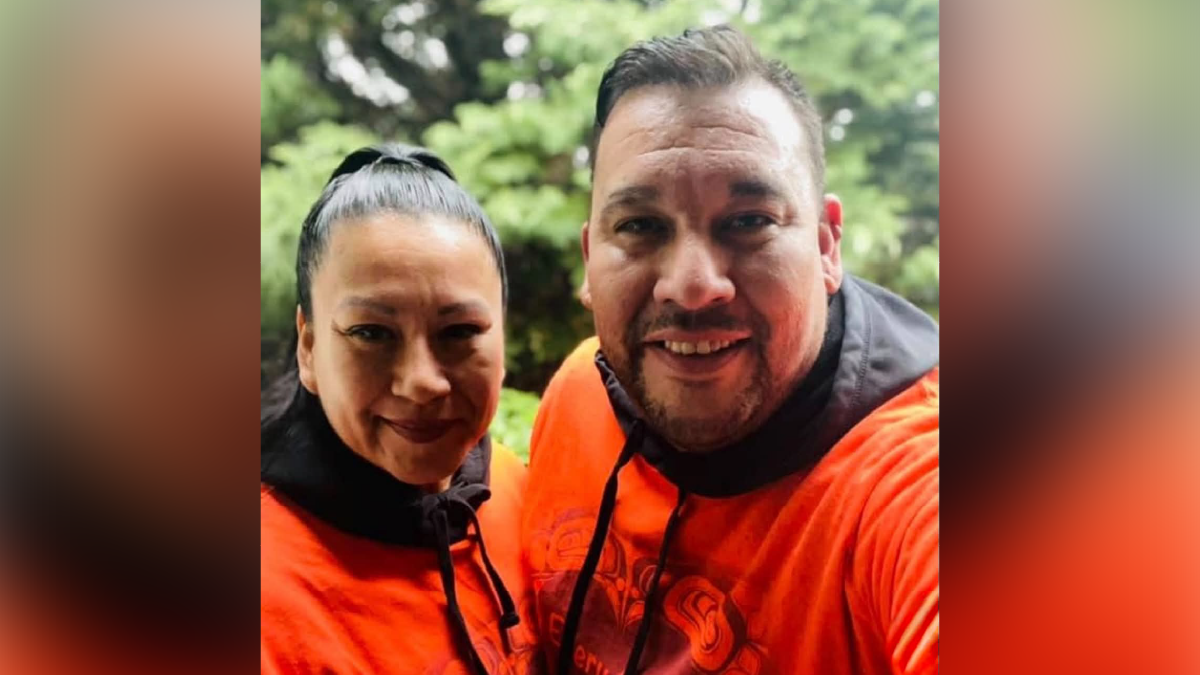
Tribal Council Chairman Donny Stevenson shares about his ancestors' and elders' surival of residential and boarding schools. "Sadly... my family’s story and experience are hardly the exception or unique in our Tribal communities..."
The Muckleshoot Messenger is a monthly Tribal publication. Tribal community members and Tribal employees are welcome to submit items to the newspaper such as announcements, birth news, birthday shoutouts, community highlights, and more. We want to hear from you!


Please direct Media Inquiries to Muckleshoot Intergovernmental Affairs.
Official Government Website for the Muckleshoot Indian Tribe
© Muckleshoot Indian Tribe 2026


