
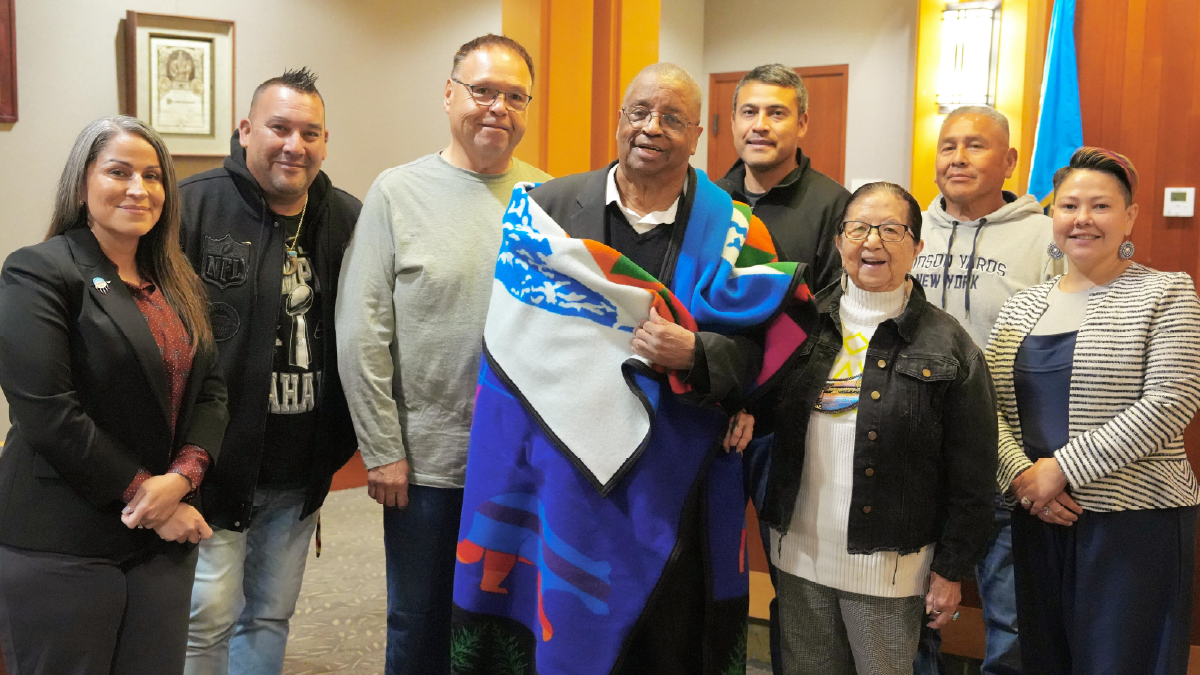
More than five decades after Larry Gossett came to the Muckleshoot Reservation looking for Native students to recruit to the University of Washington, the longtime civil rights leader returned to the Muckleshoot Tribal Council Chambers to share another piece of that history.
Gossett, a former King County Councilmember and longtime community leader, met with Tribal Council to provide an update on a book documenting his life, activism and decades of public service. The Muckleshoot Indian Tribe contributed to the book project, and Gossett brought draft chapters for Council to review, including sections on the fishing wars and places where Muckleshoot is part of his story.
His connection to Muckleshoot reaches back to his early years as an activist and organizer.
In 1968, Gossett helped establish the Black Student Union at the University of Washington and was among the student leaders pushing the university to create more opportunities for students who had historically been underrepresented on campus. Their efforts included increased recruitment of Black, Asian, Latino, Native American and low income students, along with stronger academic programs and support.
When Gossett became involved in recruiting students to UW, that work brought him directly to Muckleshoot. In an interview later documented by HistoryLink, Gossett recalled coming to the Muckleshoot Reservation looking for Native students with high school diplomas who could be recruited to attend the university. His recruitment work also took him into Black communities in Seattle and Latino farmworker communities in the Yakima Valley.
Gossett graduated from UW in 1971 as the university's first student to earn a degree in African American Studies. He later served as executive director of the Central Area Motivation Program and went on to serve more than two decades on the King County Council.
His work throughout the region also connected him with Native activist Bernie Whitebear, Latino civil rights leader Roberto Maestas and Asian American activist Bob Santos. Together, the four became known as Seattle's "Gang of Four," building relationships among Black, Native, Latino and Asian American communities and working together on civil rights, social justice and issues affecting communities throughout the region.
That history was part of the conversation as Gossett updated Council on his book and shared draft material that includes Muckleshoot.
The sections provided to Council touch on the fishing wars and Muckleshoot's place in a larger period of Native treaty rights and civil rights advocacy in Washington. The fishing wars were a defining period for treaty tribes and led to the 1974 Boldt Decision, which reaffirmed treaty fishing rights. For Muckleshoot, protecting treaty reserved fishing rights remains an important part of the Tribe's history and its continued work to protect sovereignty, culture and natural resources.
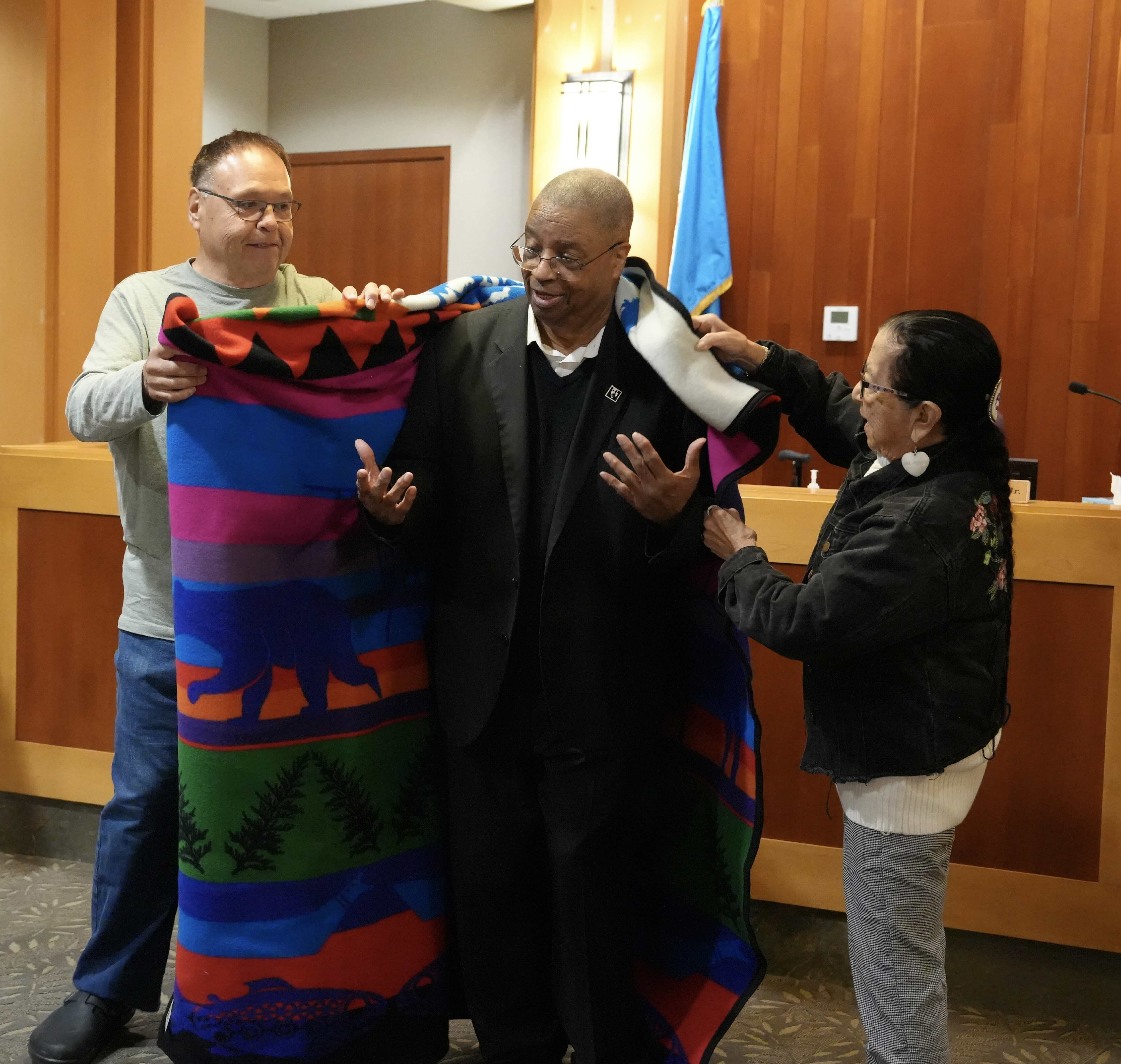
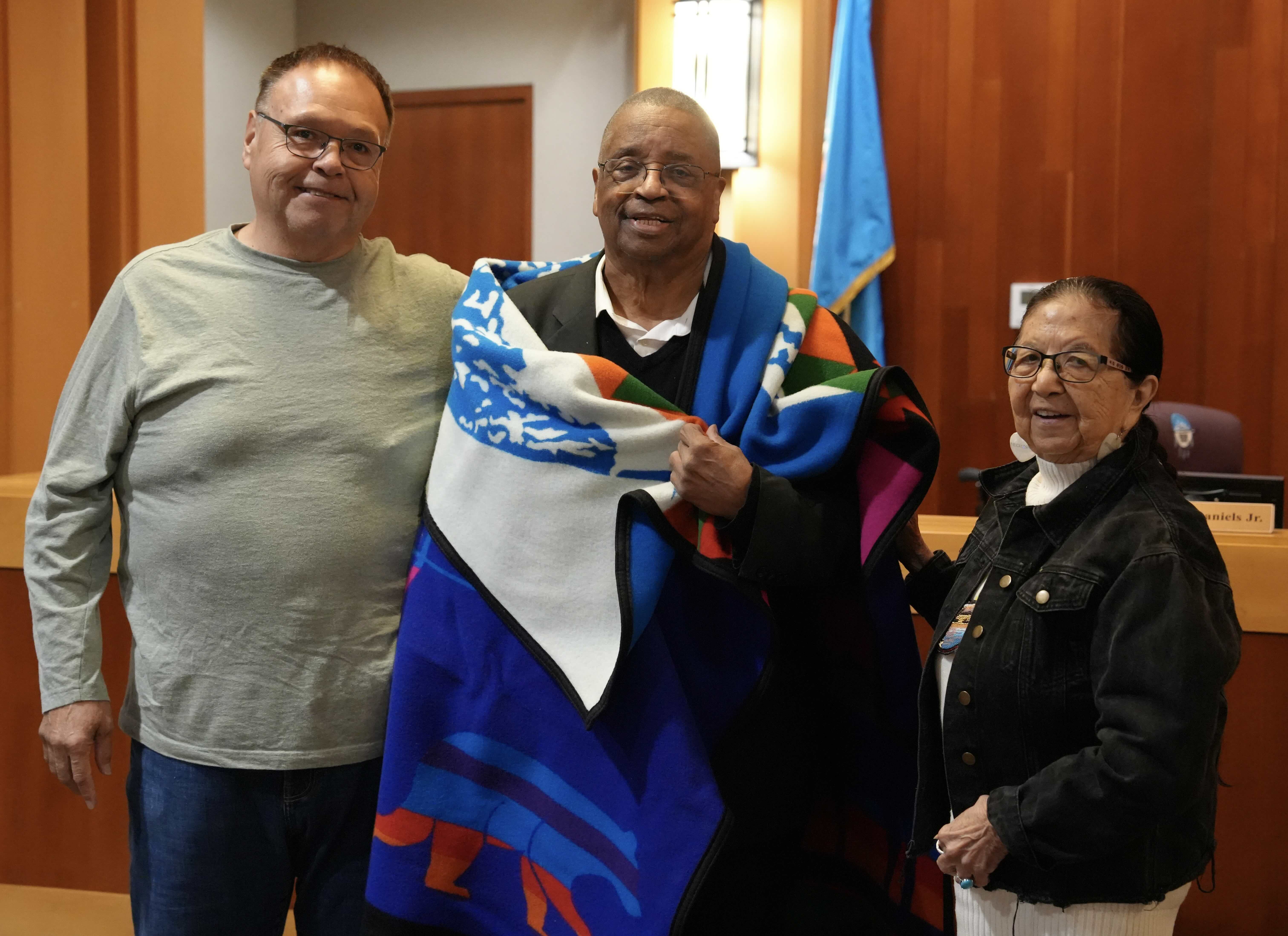
The visit concluded with a special recognition from Tribal Council. Vice Chair John Daniels Jr. and Councilmember Virginia Cross wrapped Gossett in a blanket, recognizing his decades of community advocacy and his longstanding relationship with Muckleshoot.
From coming to Muckleshoot as a young activist recruiting Native students to returning decades later with a book that includes the Tribe's story, Gossett's visit brought that history full circle and highlighted a relationship built across generations.
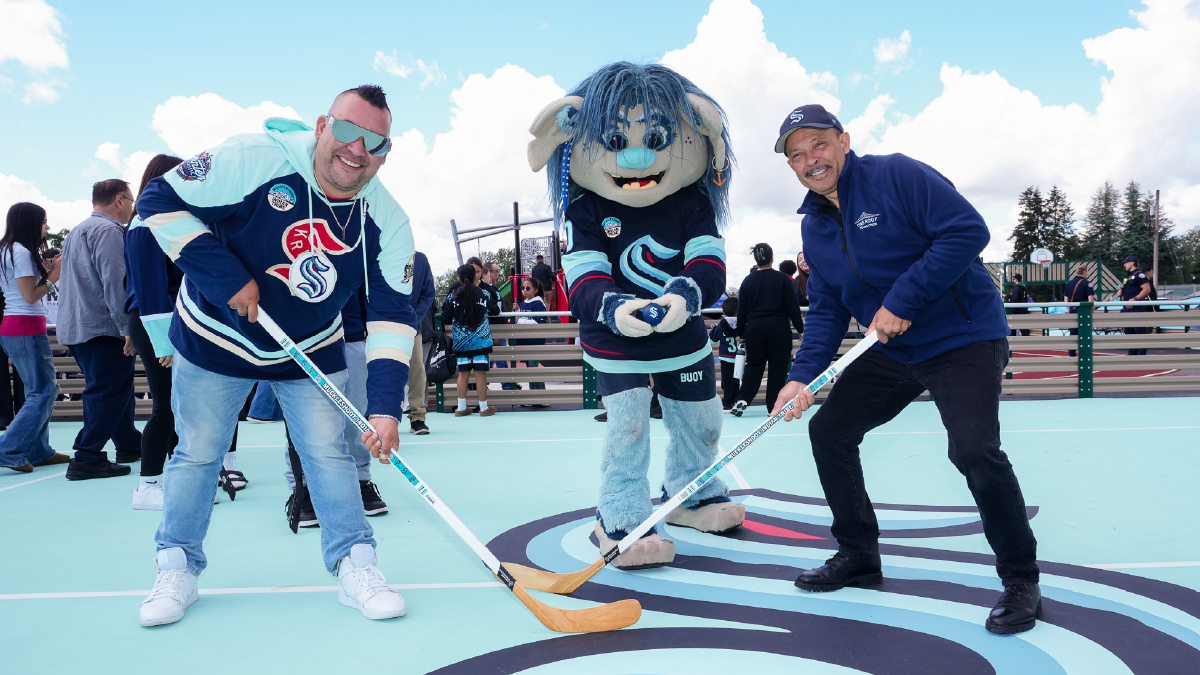
Muckleshoot youth and families gathered at South Wind Park on May 16 to celebrate the opening of a new multisport court made possible through a partnership between the Muckleshoot Indian Tribe and One Roof Foundation.

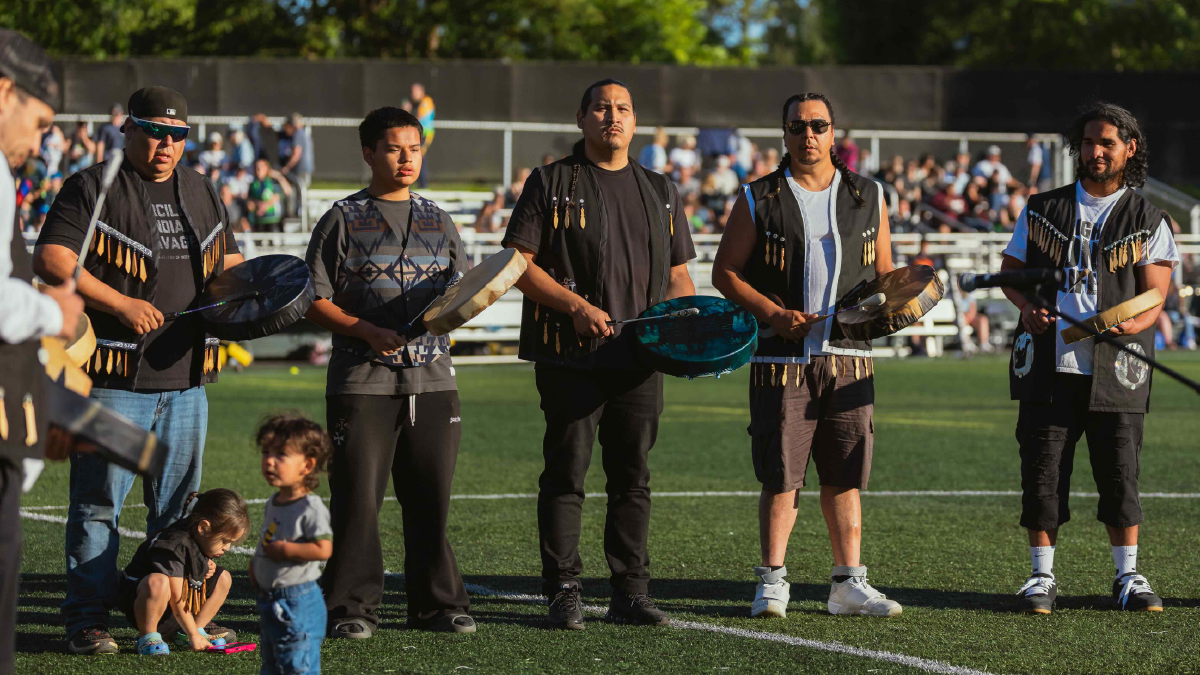
The Muckleshoot Canoe Family performed at the Seattle Seawolves Rugby Game during halftime on May 31.
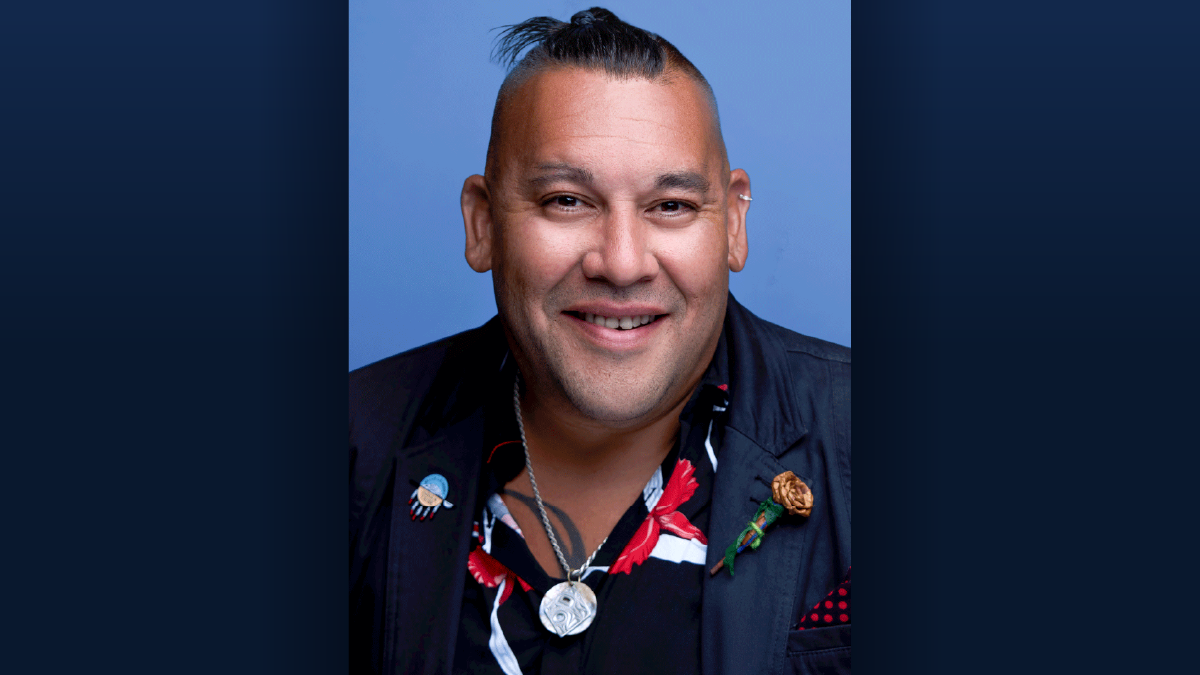
A message from Tribal Council Chairman Donny Stevenson reflecting upon Father's Day and Men's Mental Health Month.

The event featured a full card of regional talent, but it was Muckleshoot Tribal member Shane WhiteEagle’s performance that capped the evening.
The Muckleshoot Messenger is a monthly Tribal publication. Tribal community members and Tribal employees are welcome to submit items to the newspaper such as announcements, birth news, birthday shoutouts, community highlights, and more. We want to hear from you!


Please direct Media Inquiries to Muckleshoot Intergovernmental Affairs.
Official Government Website for the Muckleshoot Indian Tribe
© Muckleshoot Indian Tribe 2026


